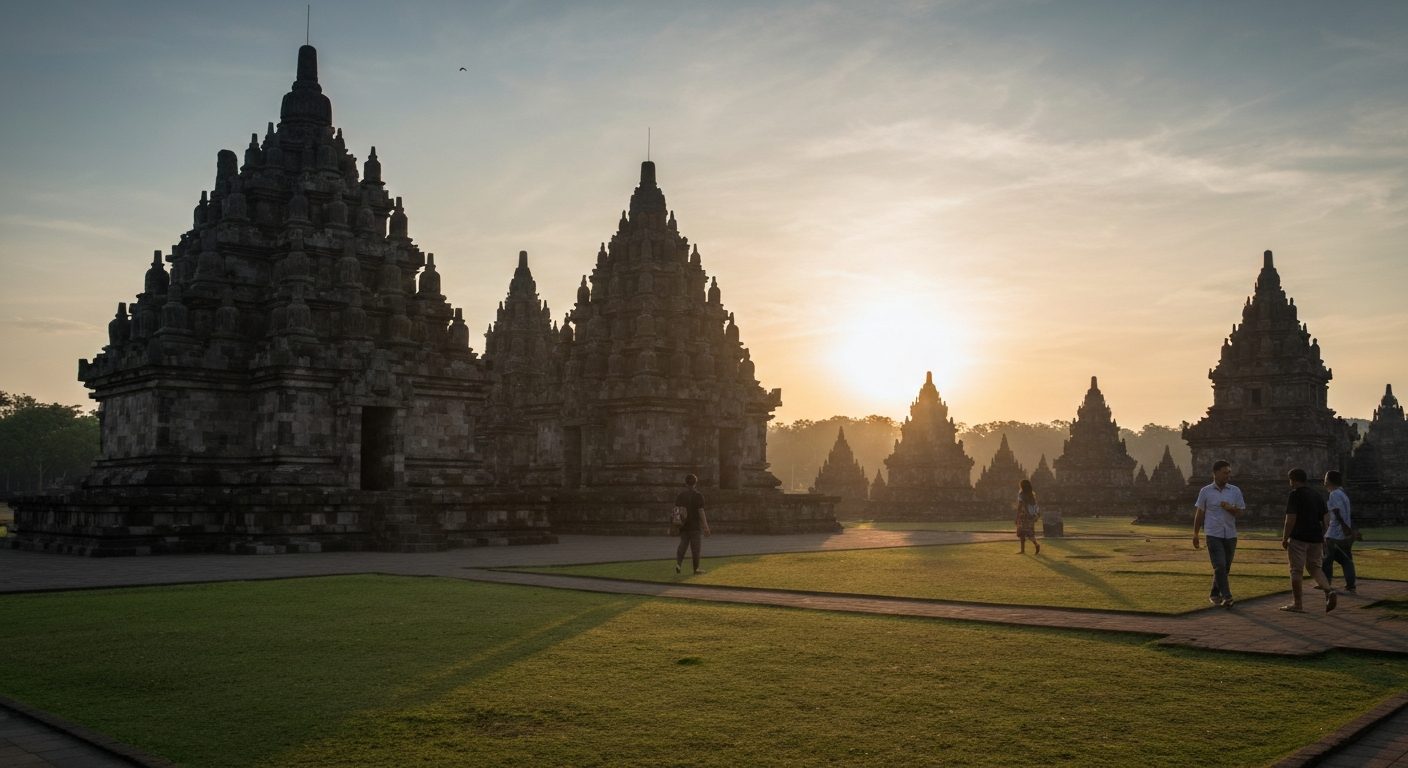
The best time to visit Prambanan and experience the wider wonders of Yogyakarta is during the dry season, typically from May to September, with the months of June, July, and August offering the most consistently pleasant weather for exploring these ancient temple grounds and the surrounding region. As someone who has spent over a decade walking these very paths, observing the changing light and seasons, I can tell you that understanding Yogyakarta’s climate and crowd patterns is key to a truly rewarding visit.
Yogyakarta, often called the cultural heart of Java, experiences a tropical climate with two primary seasons: the dry season and the rainy (or monsoon) season. While both seasons have their distinct character, your choice will significantly influence your comfort, photo opportunities, and the overall feel of your journey through temples, palaces, and volcanic landscapes.
Understanding Yogyakarta’s Climate: Dry Season vs. Rainy Season
Central Java’s climate is shaped by its position near the equator, resulting in consistent temperatures year-round, usually hovering between 26°C and 32°C (79°F and 90°F). The defining factor is rainfall.
The Dry Season (May – September)
This period is generally characterised by clear, sunny skies, lower humidity, and minimal rainfall. Days are warm, and evenings are pleasantly mild. This is the Yogyakarta weather best season dry monsoon comparison winner for most travelers. The air feels crisper, visibility for sunrise views at Borobudur is often clearer, and the outdoor Ramayana Ballet at Prambanan holds its full season. Temple exploration is more comfortable without the constant threat of rain.
The Rainy Season (October – April)
Also known as the monsoon season, these months bring higher humidity and more frequent, often heavy, rainfall. Showers can range from brief afternoon downpours to prolonged periods of rain. While the rain does cool things down, it can make outdoor activities, like temple climbing or a Merapi Lava Tour, a bit more challenging. However, the landscape becomes incredibly lush and green, and the temples can feel more atmospheric with fewer visitors. This is the time for Prambanan tour monsoon adjustments.
The Dry Season: May to September (Your Best Bet for Prambanan & Yogyakarta)
For most visitors, the dry season offers the most comfortable and predictable conditions for exploring Yogyakarta’s heritage sites. The sun shines reliably, making for excellent photography and comfortable walks around the vast Prambanan complex, with its tallest Shiva temple reaching nearly 47 meters into the sky.
May: The Transition to Dry
May marks the beginning of the dry season. The air starts to dry out, and rainfall significantly decreases compared to the preceding months. Temperatures are pleasant. It’s an excellent time to visit, often with fewer crowds than the peak summer months, making it a good choice for those seeking a balance of good weather and relative tranquility. The open-air Ramayana Ballet performances typically begin their regular schedule in May.
June: Consistently Ideal
June offers consistently sunny days and low humidity. It’s one of the most pleasant months for exploring. Crowds are present but generally manageable before the full rush of July and August. This is a sweet spot for clear Borobudur sunrises and comfortable Merapi jeep tours.
July: Peak Dry Season, Moderate Crowds
July continues the excellent weather trend. Clear skies and comfortable temperatures prevail. This is a popular month for international travelers, so while the weather is superb, you’ll find more visitors at key sites. Early morning visits are crucial to experience Prambanan with fewer people.
August: Peak Season & International Holidays
August is arguably the busiest month for international tourism in Yogyakarta. The weather remains outstanding – reliably dry and sunny. However, this is when you’ll encounter the largest crowds, particularly at popular spots like Prambanan and Borobudur. If your travel plans dictate August, prioritize very early morning visits to secure a quieter experience. It’s a classic comparison for the best time to visit Yogyakarta August vs December, with August clearly winning for weather but losing on crowd levels.
September: Easing Crowds, Still Excellent Weather
As September progresses, the peak season crowds begin to thin out, yet the dry, pleasant weather typically holds. This is another excellent month to visit, offering a good balance of comfortable conditions and fewer people compared to July and August. The light for photography at the temples remains beautiful.
The Rainy Season (Monsoon): October to April (Navigating Prambanan Tours in the Wet)
While often overlooked due to the rain, the monsoon season holds its own charm. The landscapes are vibrantly green, and the air feels fresh after a shower. If you’re planning Yogyakarta dry season vs rainy season tours, be prepared for a different pace.
October: Increasing Rainfall
October marks the transition towards the rainy season. While there are still many dry days, rainfall becomes more frequent, usually in the form of afternoon showers. Humidity levels start to rise. It can still be a good month if you don’t mind occasional rain and benefit from slightly fewer crowds.
November: Beginning of Heavy Rains
November sees a noticeable increase in rainfall and humidity. While not constant, heavy downpours are common. Exploring temples can be done, but bring an umbrella and waterproof gear. The air is often cooler after the rain.
December: Peak Rain & Holiday Crowds
December is one of the wettest months. Expect significant rainfall, often daily. However, it’s also a peak season for domestic tourists due to Christmas and New Year holidays, making it a busy time despite the weather. This contrasts sharply with the best time to visit Yogyakarta August vs December, where December offers rain and crowds, while August offers sunshine and crowds. Prambanan tour monsoon conditions are very likely.
January: The Wettest Month
January typically experiences the highest rainfall. While rain can be heavy, it often comes in bursts, allowing for periods of dry exploration. The landscape is incredibly lush, but outdoor activities like the Merapi Lava Tour might be very muddy and bumpy.
February: Still Wet, but Less Intense
Rainfall usually remains high in February but might be slightly less intense than in January. The weather can be unpredictable, with sunny spells interspersed with heavy showers. Patience and flexibility are key for your temple visits.
March: Easing Rains, Eid al-Fitr Crowds
March often sees a gradual decrease in rainfall as the season transitions towards dry. However, a significant consideration for March 2026 is the timing of Eid al-Fitr (Idul Fitri), projected for around March 20-21. This period, including the week before and after, brings an immense surge of domestic travelers. Expect very heavy crowds at all major attractions, including Prambanan and Borobudur. This makes March, despite the easing rains, a challenging time if you wish to best time visit Prambanan temple avoid crowds.
April: Transition to Dry Season
April is another transition month. Rainfall continues to decrease, and sunny days become more frequent. It can be a good shoulder season month, offering relatively pleasant weather before the dry season fully sets in, and generally fewer crowds than May.
Daily Timing: When to Visit Prambanan and Borobudur for the Best Experience
Beyond the seasonal calendar, the time of day you choose for your visit dramatically impacts your experience.
Early Morning: Beat the Heat and Crowds
For both Prambanan and Borobudur, arriving as early as possible – ideally right at opening (Prambanan at 6 AM, Borobudur sunrise tickets allow even earlier entry) – is the best strategy.
- Cooler Temperatures: The tropical sun can be intense. Early mornings offer significantly cooler and more comfortable conditions for walking and climbing.
- Fewer Crowds: You’ll share the temples with far fewer people, allowing for more contemplative moments and clearer photographs. This is especially true for the best time visit Prambanan temple avoid crowds.
- Best Light for Photography: The soft, golden light shortly after sunrise is ideal for capturing the intricate details of the temples.
Late Afternoon / Golden Hour: Sunset Views
Visiting in the late afternoon, leading up to sunset, offers another appealing option.
- Cooler Temperatures: Similar to mornings, the heat begins to subside.
- Unique Light: The warm, golden hour light bathes the temples in a beautiful glow, creating a different photographic mood than sunrise. While direct sunset views from within Prambanan are not as iconic as Borobudur’s sunrise, the ambiance is still special.
- Fewer Crowds (sometimes): Many tour groups depart mid-afternoon, so the crowds can thin out, though not as dramatically as early morning.
For the best time to visit Borobudur, sunrise tours are highly recommended, offering a truly magical experience as the sun rises over the distant volcanoes, illuminating the ancient stupas. This requires a very early start, typically leaving your hotel around 3:30 AM to reach the temple before dawn.
Crowd Considerations: Avoiding Peak Periods in Yogyakarta (Eid, School Holidays)
While weather is a primary factor, understanding crowd dynamics is equally important for a pleasant visit to Prambanan and its companion sites.
Eid al-Fitr (Idul Fitri) Holidays
As mentioned, Eid al-Fitr (approximately March 20-21 in 2026) is the most significant holiday period in Indonesia. The week before, during, and after Eid sees massive domestic travel, leading to extremely crowded conditions at all tourist attractions, high demand for accommodation and transport, and potentially higher prices. If you wish to avoid significant crowds, it is best to avoid these Yogyakarta Eid holidays crowded dates.
Indonesian School Holidays
Indonesian students typically have major holidays in mid-June to mid-July and again around Christmas and New Year (late December). During these periods, popular sites like Prambanan, Borobudur, and the Kraton will experience a noticeable increase in domestic visitors.
International Peak Travel Seasons
July and August are peak months for international visitors from Europe, North America, and Australia. While the weather is ideal, expect larger crowds during these months.
Companion Experiences: Timing Your Yogyakarta Itinerary
Your choice of when to visit Prambanan will naturally influence other key experiences in Yogyakarta.
Borobudur Sunrise
The best time to visit Borobudur for sunrise is during the dry season (May-September) when clear skies increase the likelihood of a spectacular view over the mist-shrouded plains and volcanoes. While possible during the rainy season, clouds can obscure the sunrise, and the experience may be damp.
Merapi Lava Tour
This adventure jeep tour around the slopes of Mount Merapi is generally more comfortable and less dusty during the dry season. During the rainy season, the tracks can become very muddy and challenging, though some find the rugged, raw experience compelling. Jeeps typically operate daily, with most routes taking about 1.5 to 2 hours over an approximate 15-kilometer round trip.
Ramayana Ballet at Prambanan
The iconic open-air Ramayana Ballet performance at Prambanan is a must-see. This grand spectacle takes place on an outdoor stage with the illuminated Prambanan temples as a backdrop.
- Open-Air Season: The full open-air performances typically run during the dry season, from May to October. This is the truly atmospheric way to see the ballet.
- Indoor Performances: During the rainy season (November to April), performances move indoors to a smaller stage, still impressive but lacking the temple backdrop. Check schedules closer to your travel date.
The Kraton (Sultan’s Palace) and Taman Sari (Water Castle)
These sites are less weather-dependent than the outdoor temples, as much of the exploration is under cover or within walled complexes. However, cooler dry season mornings make for a more comfortable walk through the sprawling palace grounds and hidden passages of Taman Sari. Check their opening hours carefully, as they often close in the early afternoon.
Planning Your 2026 Visit: A Month-by-Month Guide
Here is a summary to help you plan your best time to visit Yogyakarta 2026:
- January
- Wettest month. Lush landscapes. Fewer international tourists, but domestic holidays earlier in the month can bring crowds. Merapi tours very muddy. Indoor Ramayana Ballet.
- February
- High rainfall continues. Similar to January, prepare for rain. Green scenery. Indoor Ramayana Ballet.
- March
- Rainfall starts to decrease, but Eid al-Fitr (around March 20-21, 2026) will make this month extremely crowded with domestic travelers. Avoid for tranquility. Indoor Ramayana Ballet.
- April
- Transition month, decreasing rain. Pleasant shoulder season with fewer crowds before the dry season fully hits. Open-air Ramayana Ballet may start towards the end of the month.
- May
- Early dry season. Pleasant weather, moderate crowds. Excellent for all sites. Open-air Ramayana Ballet season begins.
- June
- Ideal dry season. Consistent sunshine, low humidity. Moderate crowds. Excellent for Borobudur sunrise, Merapi jeep tours. Open-air Ramayana Ballet in full swing. Indonesian school holidays begin mid-month.
- July
- Peak dry season. Superb weather, but higher international and domestic (school holiday) crowds. Book tours and accommodation well in advance. Open-air Ramayana Ballet.
- August
- Peak international travel month. Excellent weather, but expect the largest crowds at all major sites. Early morning visits are essential. Open-air Ramayana Ballet.
- September
- Late dry season. Still excellent weather, but crowds begin to thin out after the peak season. A fantastic time for balanced weather and fewer people. Open-air Ramayana Ballet.
- October
- Transition to rainy season. Increasing rainfall, but still many dry days. Good shoulder season for fewer crowds before the heavy rains. Open-air Ramayana Ballet typically concludes.
- November
- Start of heavy rainy season. Expect frequent, heavy showers. Lush landscapes, but outdoor activities can be disrupted. Indoor Ramayana Ballet.
- December
- Heavy rain, but significant domestic crowds due to Christmas and New Year holidays. A challenging month for weather and crowds. Indoor Ramayana Ballet.
Bringing It All Together: Your Yogyakarta Journey
Ultimately, the “best” time to visit Prambanan and Yogyakarta depends on your priorities. If consistently dry, sunny weather and comfortable exploration are paramount, aim for the dry season, particularly June to September. If you prioritize fewer crowds and don’t mind occasional rain, the shoulder months of May, September, or October can be rewarding. The rainy season, while wetter, offers a different perspective, with vibrant greenery and a more tranquil atmosphere at the temples, provided you plan for rain.
Regardless of when you choose to come, we can help you tailor an itinerary that makes the most of your time. Our team at Bali Premium Trip plans and arranges private, expert-guided tours of Prambanan, Borobudur, the Kraton, Merapi, and the Ramayana ballet. We use licensed, vetted local guides and operators, arranging all transfers and permits honestly. For example, a multi-day private tour for two covering key sites, including accommodation, transfers, and guides, might range from US$1,200 to US$2,500, last verified June 2026. These indicative prices vary based on inclusions and season. We’d be glad to discuss your plans and help you craft a seamless trip.
Frequently Asked Questions
What is the best time to visit Prambanan and Borobudur to avoid crowds?
To avoid the largest crowds at both Prambanan and Borobudur, your best strategy is to visit during the dry season shoulder months (May or September) and always aim to arrive right at opening time (6 AM for Prambanan, or even earlier with a Borobudur sunrise ticket). Avoid Eid al-Fitr holidays and Indonesian school holidays (mid-June to mid-July, late December).
Is it worth visiting Prambanan during the rainy season?
Yes, it can absolutely be worth visiting Prambanan during the rainy season. While you’ll encounter rain, the temple complex is often much quieter, allowing for a more serene and reflective experience. The surrounding landscape becomes incredibly lush and green, offering a different kind of beauty. Just be prepared with appropriate rain gear and consider that outdoor activities like the Merapi Lava Tour might be muddier.
How much time should I allocate for a Prambanan visit?
Most visitors spend between 2 to 3 hours exploring the main Prambanan complex, including the three primary temples dedicated to Shiva, Vishnu, and Brahma, and the surrounding smaller shrines. If you plan to attend the Ramayana Ballet in the evening, that will add another 2-3 hours to your schedule.
Can I visit Prambanan and Borobudur on the same day?
Yes, it is very common to visit both Prambanan and Borobudur on the same day, especially if you start with a Borobudur sunrise tour. This typically involves an early morning departure for Borobudur, followed by a visit to Prambanan in the late morning or early afternoon, with lunch in between. This is a full day of exploration but entirely feasible with proper planning.
What should I wear when visiting Prambanan?
Wear comfortable, lightweight clothing suitable for warm, humid weather. While there’s no strict dress code for Prambanan (unlike Borobudur which sometimes requires a sarong for specific areas, or the Kraton), it’s respectful to dress modestly, covering your shoulders and knees. Comfortable walking shoes are essential as you’ll be doing a fair amount of walking on uneven ground. Don’t forget a hat, sunglasses, and sunscreen, especially during the dry season.
Ready to plan your journey to Yogyakarta’s timeless temples? We are here to help you every step of the way. Connect with our Bali Premium Trip reservations team to plan your trip or message us directly on WhatsApp at +6281128590000. You can also reach us via email at [email protected].