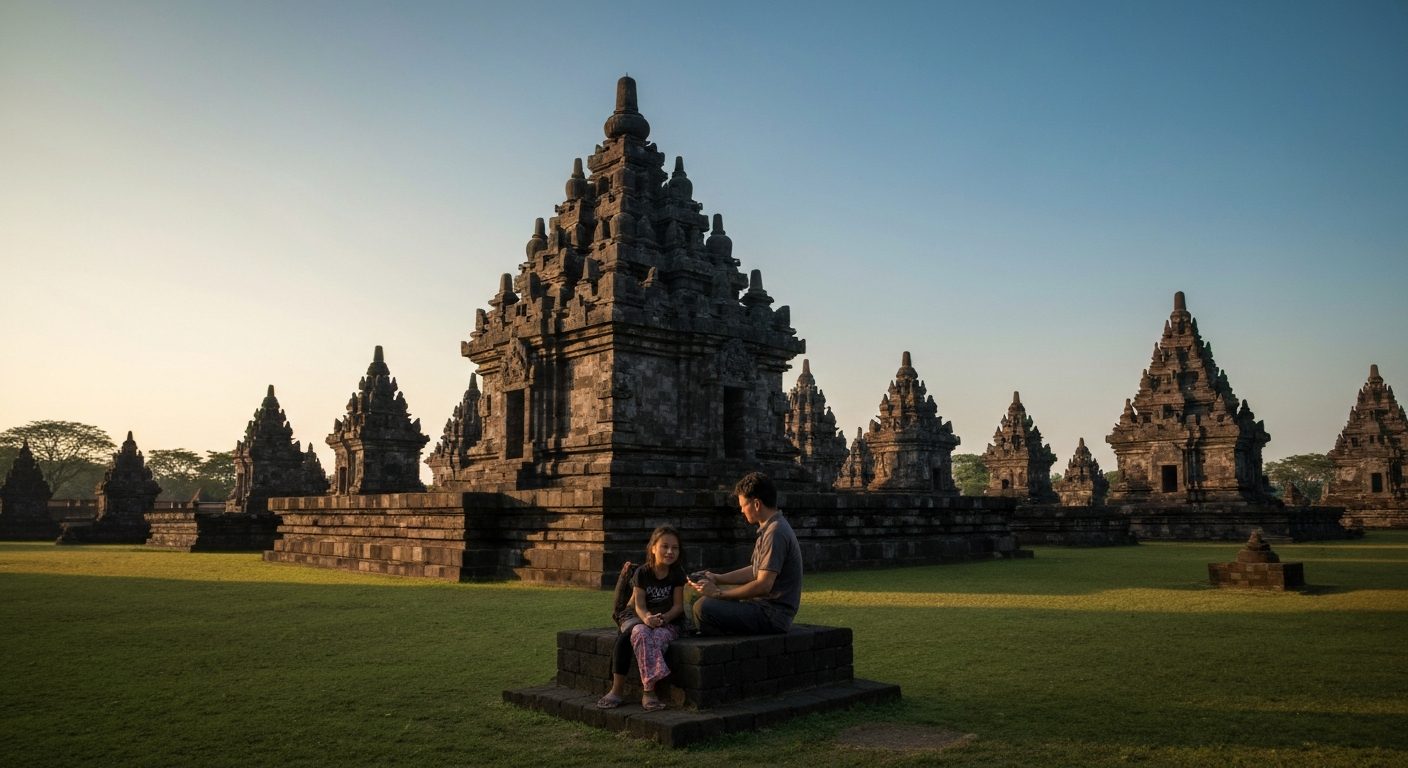
Planning a journey to Yogyakarta, the cultural heart of Java, requires understanding the visa requirements for Indonesia that apply to your visit. This guide walks you through the essential entry rules for international travelers heading to destinations like Prambanan, Borobudur, the Kraton, and Merapi, ensuring a smooth start to your experience.
Navigating immigration procedures can feel intricate, but with clear information, you can prepare confidently. The good news is that for many nationalities, entering Indonesia for tourism is a straightforward process, often involving a visa exemption or a simple Visa on Arrival (VOA) at the airport. We’ll cover everything from passport validity to recommended health precautions, helping you focus on the rich heritage that awaits you in Yogyakarta.
Your Passport: The Foundation of International Travel
Before you consider anything else, your passport is the most crucial document for entering Indonesia. There are specific passport validity requirements for Indonesia that all visitors must meet.
The Six-Month Rule:
Indonesia strictly enforces a rule requiring your passport to be valid for at least six (6) months from your date of arrival. This is a non-negotiable requirement. If your passport is set to expire within six months of your planned entry, you will likely be denied boarding your flight or entry into Indonesia. It’s always prudent to check your passport’s expiry date well in advance of booking your trip. If it’s close to the six-month mark, apply for a renewal.
Sufficient Blank Pages:
While less commonly an issue, ensure your passport has at least one or two blank pages for entry and exit stamps. Some countries require more, but for Indonesia, a couple of clear pages are generally sufficient.
Damaged Passports:
A passport that is visibly damaged or has missing pages may be deemed invalid by immigration officials. Ensure your passport is in good condition to avoid any complications.
Indonesia Visa Routes: Visa-Exempt, Visa on Arrival (VOA), and e-Visa
The question, “Do I need a visa for Yogyakarta?” is best answered by understanding Indonesia’s broader immigration policies. Since Yogyakarta is in Indonesia, the national visa rules apply. Depending on your nationality, you will fall into one of three primary categories for tourist entry: Visa Exempt, Visa on Arrival (VOA) or electronic Visa on Arrival (e-VOA), or a pre-arranged e-Visa.
It is critical to remember that visa regulations can change. Always verify the latest information with the official Indonesian immigration portal (molina.imigrasi.go.id or evisa.imigrasi.go.id) or your nearest Indonesian embassy or consulate before making travel plans.
1. Visa-Exempt Countries Indonesia
Citizens of certain countries are exempt from visa requirements for short tourist visits to Indonesia. This means you can enter Indonesia without applying for a visa in advance or upon arrival, provided you meet specific conditions.
Key Conditions for Visa Exemption:
- Purpose of Visit: Strictly for tourism.
- Duration of Stay: Typically up to 30 days. This stay cannot be extended.
- Entry/Exit Points: You must enter and exit through designated immigration checkpoints.
- Passport Validity: Must meet the six-month rule.
- Return Ticket: You may be asked to show a confirmed return ticket or onward journey ticket.
The list of visa-exempt countries is subject to change but historically includes nations like those from ASEAN (Association of Southeast Asian Nations) member states. If your country is on this list, you can simply arrive at the airport, proceed through immigration, and receive an entry stamp.
2. Visa on Arrival (VOA) and Electronic Visa on Arrival (e-VOA)
For many other nationalities, a Visa on Arrival Indonesia tourist option is available. This is a convenient route for travelers who do not qualify for visa exemption. The VOA can be purchased directly at major international airports and seaports, including Yogyakarta’s YIA (Yogyakarta International Airport). Alternatively, an electronic Visa on Arrival (e-VOA) can be applied for online before you travel, streamlining your arrival process.
Who Needs a VOA/e-VOA?
Citizens of countries not on the visa-exempt list but eligible for VOA. This includes a wide range of nationalities from around the world.
How to get a VOA at the Airport:
- Purchase: Upon arrival at the airport, follow signs for “Visa on Arrival.” You will typically pay a fee at a dedicated counter before proceeding to immigration.
- Cost: The Indonesia Visa on Arrival cost is generally around IDR 500,000 (approximately US$35, last verified June 2026). Payment can often be made in Indonesian Rupiah, USD, or by credit card, though having exact Rupiah is often the easiest.
- Duration: A VOA grants you a stay of up to 30 days.
- Extension: Unlike visa-exempt stays, a VOA can be extended once for an additional 30 days, totaling a maximum of 60 days. This extension must be processed at an immigration office in Indonesia before your initial 30 days expire, and it typically involves another fee.
The Indonesia e-VOA Application:
For a smoother arrival, consider applying for the Indonesia e-Visa application for the VOA online before you travel.
- Website: Apply through the official Molinai Immigration website (molina.imigrasi.go.id).
- Process: Fill out the online form, upload required documents (passport scan, photo), and pay the fee online.
- Confirmation: Once approved, you’ll receive an e-VOA confirmation via email. Print this out or have it ready on your mobile device to present upon arrival.
- Benefits: This saves time queueing at the VOA counter at the airport, allowing you to go directly to immigration.
3. Pre-Arranged e-Visa
For those not eligible for visa exemption or VOA, or for longer stays and specific purposes beyond tourism, a pre-arranged e-Visa (not e-VOA) is necessary. This type of visa is typically applied for through the Directorate General of Immigration’s electronic visa portal (evisa.imigrasi.go.id) before departure.
When to Consider an e-Visa (non-VOA):
- If your nationality is not eligible for visa exemption or VOA.
- If you plan to stay longer than 60 days.
- If your purpose of visit is for business, social-cultural activities, or other specific reasons not covered by a tourist VOA.
The Indonesia e-Visa application process for these types of visas is more involved and may require sponsorship from an Indonesian entity. Always consult the official immigration website or an Indonesian embassy/consulate for precise requirements.
How Long Can Tourists Stay in Indonesia?
Understanding your allowed duration of stay is crucial for planning your Yogyakarta adventure.
- Visa-Exempt: Up to 30 days, non-extendable.
- Visa on Arrival (VOA) / e-VOA: Up to 30 days, extendable once for another 30 days (total 60 days).
- Pre-arranged e-Visa: Duration varies depending on the visa type, often 60 days, with possibilities for extension depending on specific visa categories.
Overstaying your visa, even by a single day, incurs a significant daily fine (currently IDR 1,000,000 per day, last verified June 2026) and can lead to deportation and a ban from future entry. Plan your departure carefully.
Comparison of Tourist Entry Options
To help you decide which route applies to you, here is a quick comparison:
- Visa Exemption
-
- Eligibility: Citizens of select countries (e.g., ASEAN nations).
- Application: No prior application required.
- Cost: Free.
- Duration: Up to 30 days.
- Extension: Not extendable.
- Best For: Short, straightforward tourist visits for eligible nationalities.
- Visa on Arrival (VOA) / e-VOA
-
- Eligibility: Citizens of many countries not on the visa-exempt list.
- Application: At airport upon arrival (VOA) or online before travel (e-VOA).
- Cost: Approximately IDR 500,000 (US$35, last verified June 2026).
- Duration: Up to 30 days.
- Extension: Extendable once for an additional 30 days (total 60 days).
- Best For: Most international tourists seeking a standard stay, with an option for extension.
- Pre-arranged e-Visa (non-VOA)
-
- Eligibility: For nationalities not eligible for visa exemption or VOA, or for longer stays/specific purposes.
- Application: Online through evisa.imigrasi.go.id, typically requiring sponsorship.
- Cost: Varies by visa type.
- Duration: Varies by visa type, often 60 days or longer.
- Extension: Possible depending on visa category.
- Best For: Travelers with specific needs, longer stays, or non-tourist purposes.
Recommended Vaccinations Before a Yogyakarta Trip
While there are generally no mandatory vaccination needed before Yogyakarta trip for entry into Indonesia from most countries, it is always wise to consult a licensed travel-health professional several months before your departure. They can provide personalized advice based on your health history, travel itinerary, and current health advisories.
Commonly Recommended Vaccinations:
- Routine Vaccinations: Ensure your routine immunizations are up-to-date, including measles-mumps-rubella (MMR), diphtheria-tetanus-pertussis, varicella (chickenpox), polio, and your annual flu shot.
- Hepatitis A and B: Highly recommended for most travelers, as these can be contracted through contaminated food or water, or through contact with infected bodily fluids.
- Typhoid: Recommended for travelers visiting smaller cities or rural areas, or those who are adventurous eaters, as typhoid can be contracted through contaminated food and water.
- Japanese Encephalitis: Recommended for long-term travelers or those spending significant time in rural areas, especially during monsoon season, as it’s transmitted by mosquitoes.
- Rabies: Considered for long-term travelers, those working with animals, or individuals engaging in outdoor activities that might put them at risk of animal bites.
- Yellow Fever: A Yellow Fever vaccination certificate is only required if you are arriving from or have transited through a country with a risk of Yellow Fever transmission. Check the World Health Organization (WHO) list of Yellow Fever endemic countries.
Other Health Considerations:
- Malaria: While Yogyakarta itself is generally considered a low-risk area for malaria, some rural regions of Indonesia can pose a risk. Discuss with your doctor if anti-malarial medication is appropriate for your specific itinerary. Prevention through mosquito bite avoidance (repellent, long sleeves, mosquito nets) is always essential.
- Dengue Fever: Dengue is prevalent in Indonesia, including urban areas. There is no vaccine for dengue, so mosquito bite prevention is the best defense.
- Traveler’s Diarrhea: A common ailment. Practice good hand hygiene, drink bottled water, and be cautious with street food. Pack over-the-counter medication.
This information is for general awareness only and is not a substitute for professional medical advice. Always consult your doctor or a travel clinic before your trip.
Why Travel Insurance Matters: Especially Near Merapi
Investing in comprehensive travel insurance is a prudent decision for any international trip, and it is particularly relevant for a visit to Yogyakarta, home to the active Mount Merapi volcano. Travel insurance covers volcanic eruption impacts, medical emergencies, trip cancellations, and more, offering peace of mind.
Key Benefits of Travel Insurance for a Yogyakarta Trip:
- Medical Emergencies: Covers costs for unexpected illness or injury, including doctor visits, hospital stays, and emergency medical evacuation if needed. This is critical, as international medical care can be expensive.
- Trip Cancellation/Interruption: Reimburses non-refundable expenses if your trip is canceled or cut short due to unforeseen circumstances like personal illness, family emergency, or natural disasters.
- Flight Delays and Missed Connections: Provides coverage for additional expenses (accommodation, meals) incurred due to significant flight delays or missed connections.
- Lost or Delayed Baggage: Compensates for essential items if your luggage is lost or delayed.
- Volcanic Activity (Mount Merapi): This is a significant consideration for Yogyakarta. While visits to Merapi’s slopes are carefully managed and safe under normal conditions, an unexpected eruption could lead to:
- Airspace Closures: Ash plumes can ground flights, causing significant delays or cancellations.
- Road Closures: Access to certain areas might be restricted.
- Tour Disruptions: Your planned Merapi jeep tour or even visits to nearby temples like Prambanan could be affected.
- Evacuations: In rare, severe cases, local evacuations might occur.
A good travel insurance policy can cover losses incurred due to these events, such as rebooking flights, additional accommodation, or reimbursement for pre-paid tours that cannot proceed. Always read the policy details carefully to understand what is covered regarding natural disasters.
Yogyakarta Entry Requirements 2026 and Beyond: Staying Informed
While we aim to provide the most current information, Yogyakarta entry requirements 2026 and beyond are subject to change by the Indonesian government. Immigration laws, visa policies, and health regulations can evolve in response to global events, public health concerns, or policy shifts.
How to Stay Informed:
- Official Indonesian Immigration Website: Regularly check molina.imigrasi.go.id or evisa.imigrasi.go.id for the latest updates on visa policies, entry forms, and health protocols.
- Your Nearest Indonesian Embassy or Consulate: These are invaluable resources for country-specific advice and official regulations.
- Airline Advisories: Your airline will often communicate any significant changes that might affect your boarding or arrival.
- Travel Health Professionals: Consult your doctor for the most up-to-date health recommendations.
For travelers planning a trip in 2026 or further out, it is particularly important to re-verify all requirements closer to your travel date, ideally after booking your flights but before finalising all your arrangements.
Practical Tips for a Smooth Entry into Indonesia
- Arrival Card: While Indonesia has largely transitioned to digital immigration forms, be prepared to fill out an arrival/customs declaration form, either online before arrival or upon landing.
- Local Currency: Have some Indonesian Rupiah (IDR) on hand for immediate expenses like a VOA (if paying cash) or small purchases. ATMs are available at the airport.
- Keep Documents Accessible: Have your passport, e-VOA confirmation (if applicable), return ticket, and accommodation details readily available for immigration officers.
- Be Patient and Polite: Immigration processes can sometimes involve waiting. Maintain a calm and respectful demeanor.
- Dress Modestly: While not an entry requirement, dressing modestly upon arrival is a respectful way to start your cultural journey in Indonesia.
Planning a trip to Yogyakarta means preparing for an enriching cultural experience. By ensuring your passport, visa, and health preparations are in order, you can look forward to exploring the ancient temples and vibrant traditions without unnecessary worry.
When you’re ready to transform these entry requirements into an actual journey, our team at Prambanan Tours, operated by Bali Premium Trip, is here to assist. We specialize in crafting seamless, private guided trips through Yogyakarta’s headline experiences. From the grandeur of Prambanan and Borobudur to the adventurous Merapi jeep tours and the historical Kraton, we arrange expert guides, permits, and transfers honestly and efficiently. You book directly with our Bali Premium Trip reservations team, ensuring transparent, published rates with no third-party markup.
Plan your trip with us today, or connect via WhatsApp for personalized itinerary planning.
Important Disclaimer
The information provided in this guide regarding visa requirements, passport validity, and health recommendations for Indonesia is intended for general awareness and planning purposes only. It is based on publicly available information and our experience as travel planners. This content is not immigration, medical, or legal advice. Entry rules, visa fees, health requirements, and other regulations are determined by the Indonesian government and are subject to change without prior notice.
Prambanan Tours and Bali Premium Trip strongly advise all readers to verify the most current and specific requirements applicable to their nationality and travel plans directly with the official Indonesian immigration portal (molina.imigrasi.go.id / evisa.imigrasi.go.id), their nearest Indonesian embassy or consulate, and a licensed travel-health professional before booking flights or making any irreversible travel arrangements. We cannot be held responsible for any issues arising from changes in regulations or individual circumstances.
Frequently Asked Questions
Do I need a special visa for Yogyakarta?
No, you do not need a special visa specifically for Yogyakarta. Yogyakarta is part of Indonesia, so the general visa requirements Indonesia Yogyakarta applies to all international visitors entering the country. Depending on your nationality, you will either be visa-exempt, eligible for a Visa on Arrival (VOA) or e-VOA, or require a pre-arranged e-Visa before your trip.
What is the 6-month passport rule for Indonesia?
Indonesia requires all international visitors to have a passport that is valid for at least six (6) months from their date of arrival in the country. This is a strict rule, and airlines may deny boarding if your passport does not meet this validity requirement. Ensure your passport has sufficient remaining validity well in advance of your travel dates.
How much does an Indonesia Visa on Arrival (VOA) cost?
The Indonesia visa on arrival cost is approximately IDR 500,000 (around US$35, last verified June 2026). This fee can typically be paid in Indonesian Rupiah, US Dollars, or by credit card at the VOA counter upon arrival at major international airports like Yogyakarta International Airport (YIA). An e-VOA, applied for online before travel, costs the same.
What vaccinations are mandatory for entry into Indonesia?
Generally, there are no mandatory vaccination needed before Yogyakarta trip for entry into Indonesia for most travelers. The only exception is a Yellow Fever vaccination certificate, which is required if you are arriving from or have transited through a country with a risk of Yellow Fever transmission. However, several routine and travel-specific vaccinations are highly recommended; always consult a travel-health professional for personalized advice.
Can I extend my tourist visa in Indonesia?
If you entered Indonesia with a Visa on Arrival (VOA) or e-VOA, you are generally allowed to extend your stay once for an additional 30 days, totaling a maximum of 60 days. This extension must be processed at an immigration office in Indonesia before your initial 30-day period expires. Visa-exempt stays, however, cannot be extended.